

What Factors Affect the Lifespan of Tungsten Carbide Tips/Inserts?
Hard alloy tips are a commonly used tool for cutting materials, and their lifespan determines their effectiveness and economy. The lifespan of tungsten carbide blades are influenced by various factors, which will be explained in detail below.
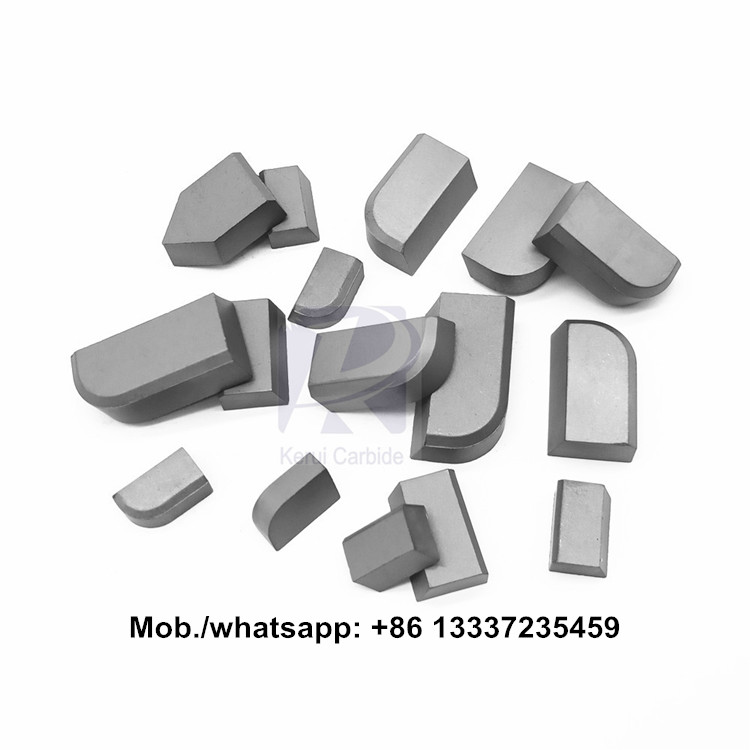
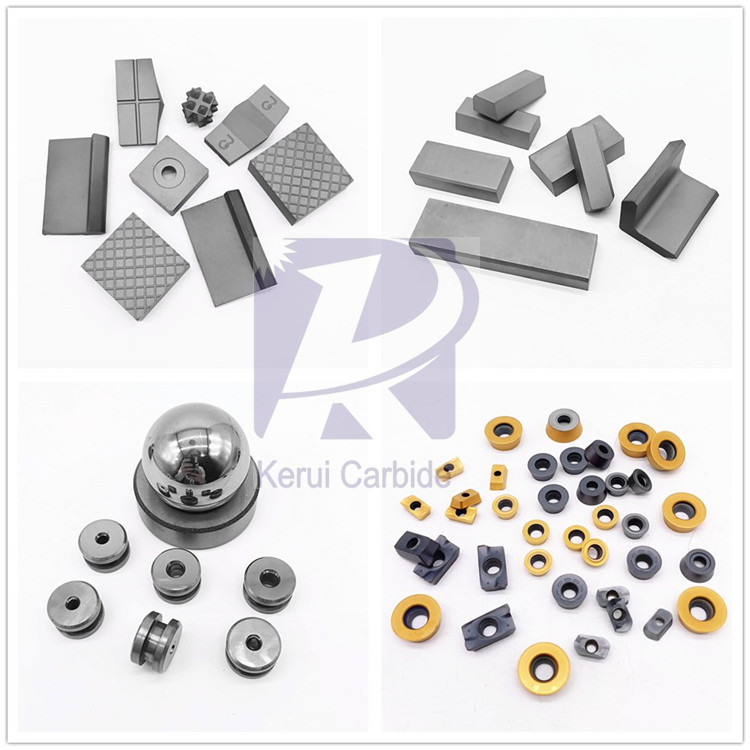
Firstly, the tip material. Tungsten carbide tips are mainly composed of cobalt based alloys and hard alloy particles, and different material ratios have a direct impact on the performance and lifespan of the blades. Generally speaking, the higher the content of cobalt based alloys, the better the toughness and impact resistance of the blade, but the hardness and wear resistance are relatively poor. The size and shape of hard alloy particles can also affect the service life of the blade. Generally speaking, the finer the particles and the more regular the shape, the better the cutting ability and wear resistance of the blade.
Secondly, the tip structure. The structural design of the tip is also an important factor affecting its lifespan. A reasonable tip structure can improve the stability and stiffness of the blade, reduce the vibration and deformation of the blade. In addition, the selection of parameters such as the alloy layer thickness, back angle, and roll angle of the blade will directly affect the lifespan of the blade.
Thirdly, cutting conditions. The cutting conditions mainly include parameters such as cutting speed, feed rate, and cutting depth. The cutting speed directly affects the friction and wear of the blade. Generally speaking, increasing the cutting speed can effectively improve the lifespan of the blade while ensuring processing quality. The feed rate and cutting depth can also affect the wear of the blade, and larger feed rates and cutting depths can accelerate the wear of the blade and reduce its lifespan.
Fourthly, cutting materials. The hardness, plasticity, and thermal conductivity of cutting materials also directly affect the lifespan of the blade. Materials with higher hardness will increase the wear of the blade and reduce its lifespan; A material with good plasticity will reduce the stress and friction of the blade, and reduce the wear of the blade; Materials with high thermal conductivity will quickly remove the heat generated during the cutting process, reducing blade wear.
Fifth, tool lubrication. Tool lubrication is crucial for reducing blade wear and improving cutting efficiency. Suitable lubricants can reduce friction and heat during the cutting process, reducing blade wear; At the same time, lubricants can also play a cooling and cleaning role, extending the service life of the tungsten carbide tips.
Sixth, cutting method. Different cutting methods can also have an impact on the lifespan of the blade. For example, for certain materials, dry cutting is more beneficial for the lifespan of the blade than liquid cooling cutting, while liquid cooling cutting can improve cutting speed and surface quality.
In addition to the above factors, there are other factors that may have an impact on the lifespan of hard alloy blades, such as the use and maintenance of cutting tools, and the way they come into contact with the workpiece. To improve the service life of hard alloy blades, it is necessary to comprehensively consider the above factors and select appropriate cutting tools and parameters based on specific processing needs and material characteristics. At the same time, regular inspection and maintenance of cutting tools, and timely replacement of severely worn blades are also important measures to extend the service life of blades.


